Full-scope MEPFP Engineering delivered by a single coordinated team.
G&W provides integrated MEPFP engineering for new construction, renovations, and capital improvement projects. Scope runs from early planning through construction administration, with all four disciplines coordinated internally. Clients work with one team, one point of contact, and one set of documents built to work together.
When mechanical, electrical, plumbing, and fire protection are split across separate firms, the gaps between them surface in the field: conflicts caught during construction, RFIs that stall a schedule, and change orders that land on the owner. Coordinating all four disciplines under one roof means those conflicts get resolved on the drawings, before they cost anyone a callback.
Integrated MEPFP design-build services from day one.
For design-build delivery, engineering and construction move together from the start. Involving the contractor while the design is still on paper surfaces constructability and procurement issues early, when a change still costs a redline instead of a field rework. Clear system intent and defined performance criteria set at the outset keep the project tracking to schedule and budget through field execution.
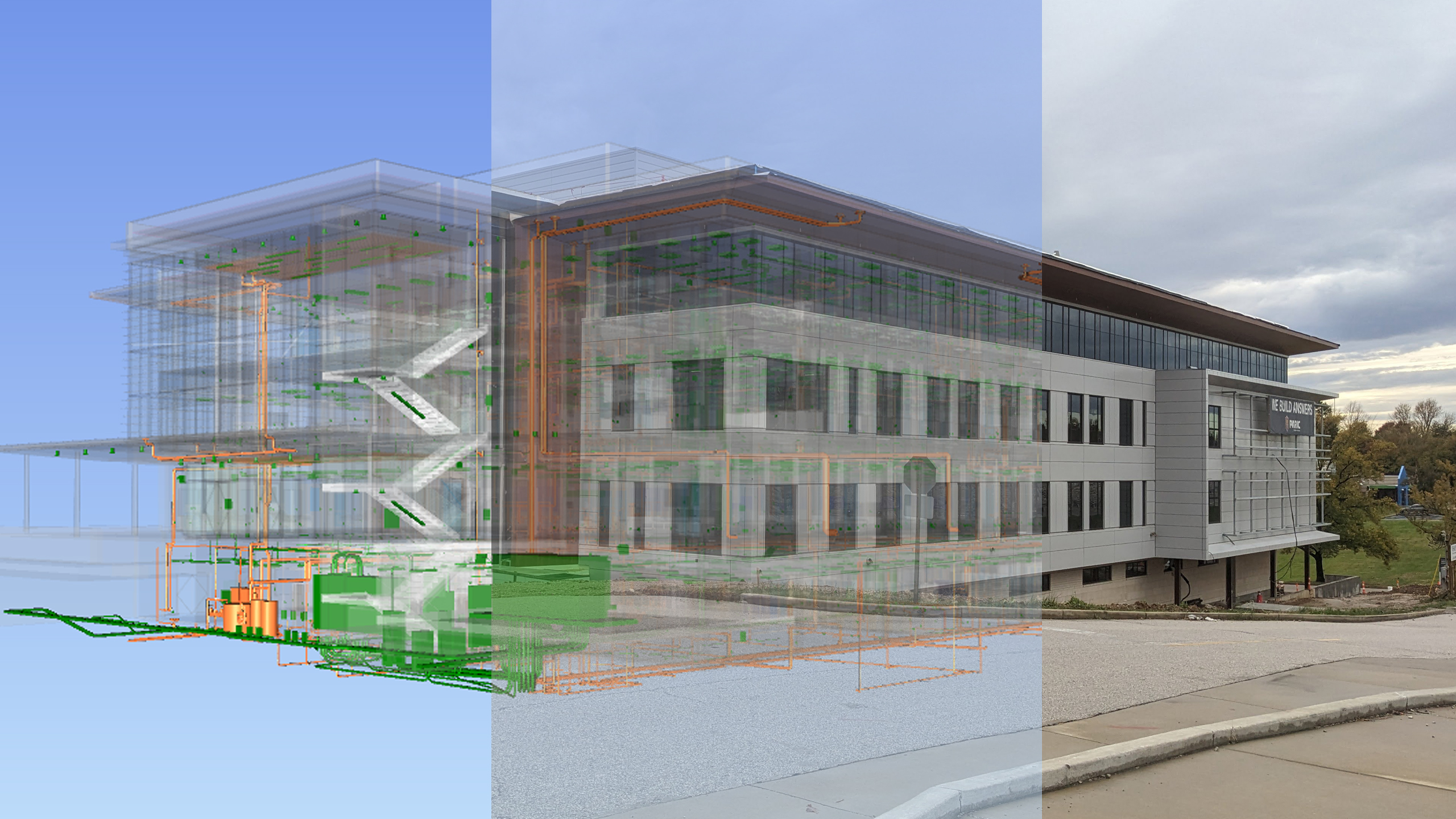
3D coordination that resolves conflicts before they reach the field.
Using building information modeling, G&W identifies and resolves system conflicts between MEPFP, structural, and architectural scopes before construction begins. Clash detection, model review, and coordination meetings reduce rework, RFIs, and field change orders.
A clash caught in the model costs a redline. The same clash caught in the field costs a change order, a schedule delay, and a trade crew standing idle while the fix gets drawn. Resolving conflicts across MEPFP, structural, and architectural scopes before anyone breaks ground is the difference between a coordination cost and a construction cost.
Focused engineering expertise for complex system challenges.
For work that falls outside standard design scopes, G&W offers targeted services including system evaluations, retrofit design support, and existing building analysis. Typical applications include renovations, troubleshooting, and unique facility challenges that need deeper technical review.
The projects that fall outside a standard design scope are usually the ones where the risk lives: an aging system nobody has documentation for, a retrofit that has to work around occupied space, a failure whose cause isn’t obvious. Getting these wrong means designing against a building you don’t actually understand. The technical review up front is what keeps a renovation from becoming a discovery process mid-construction.