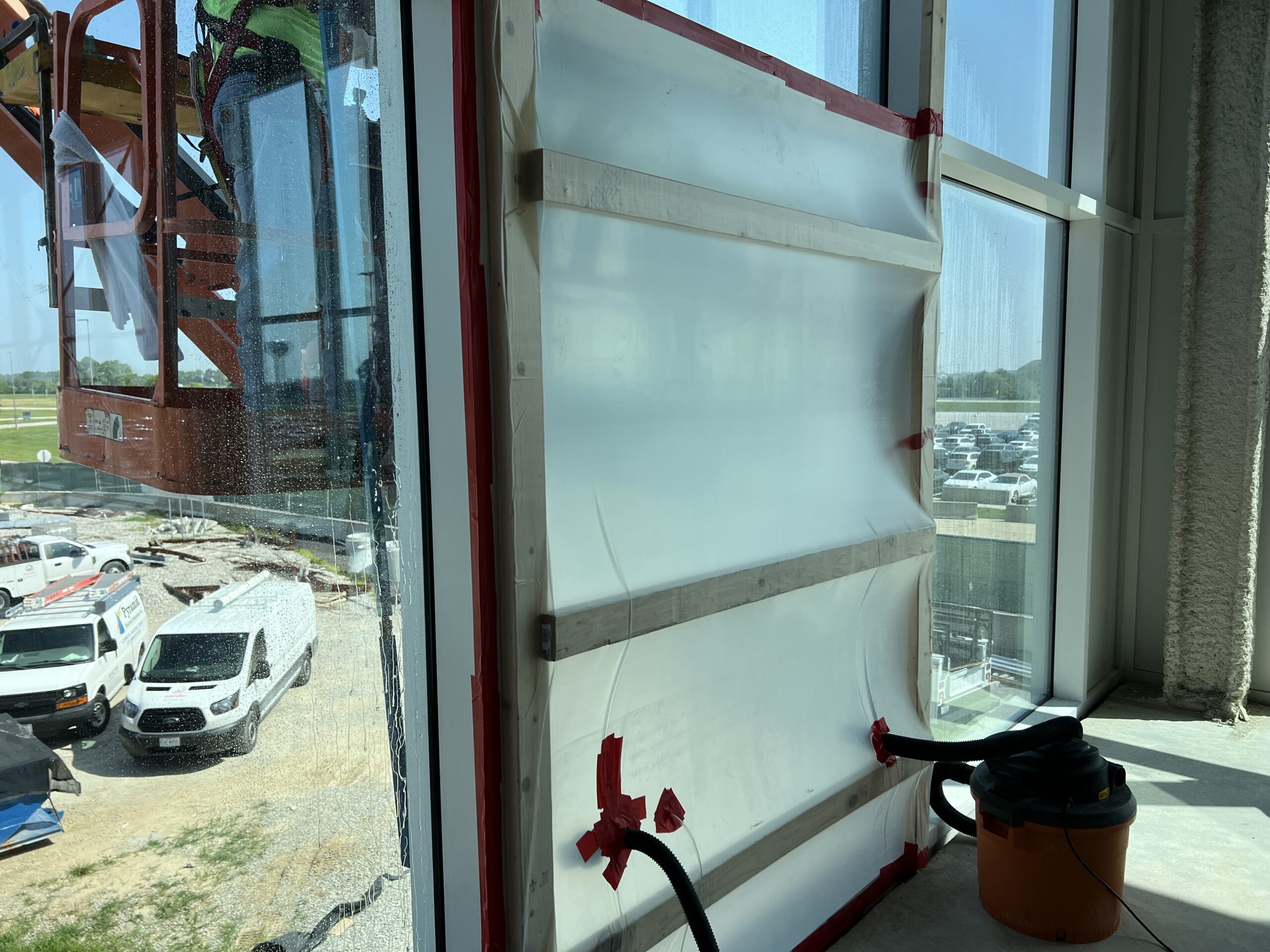
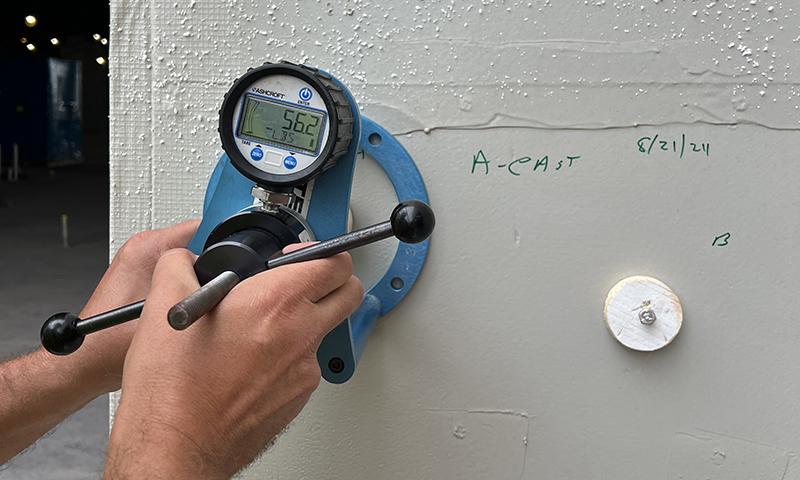
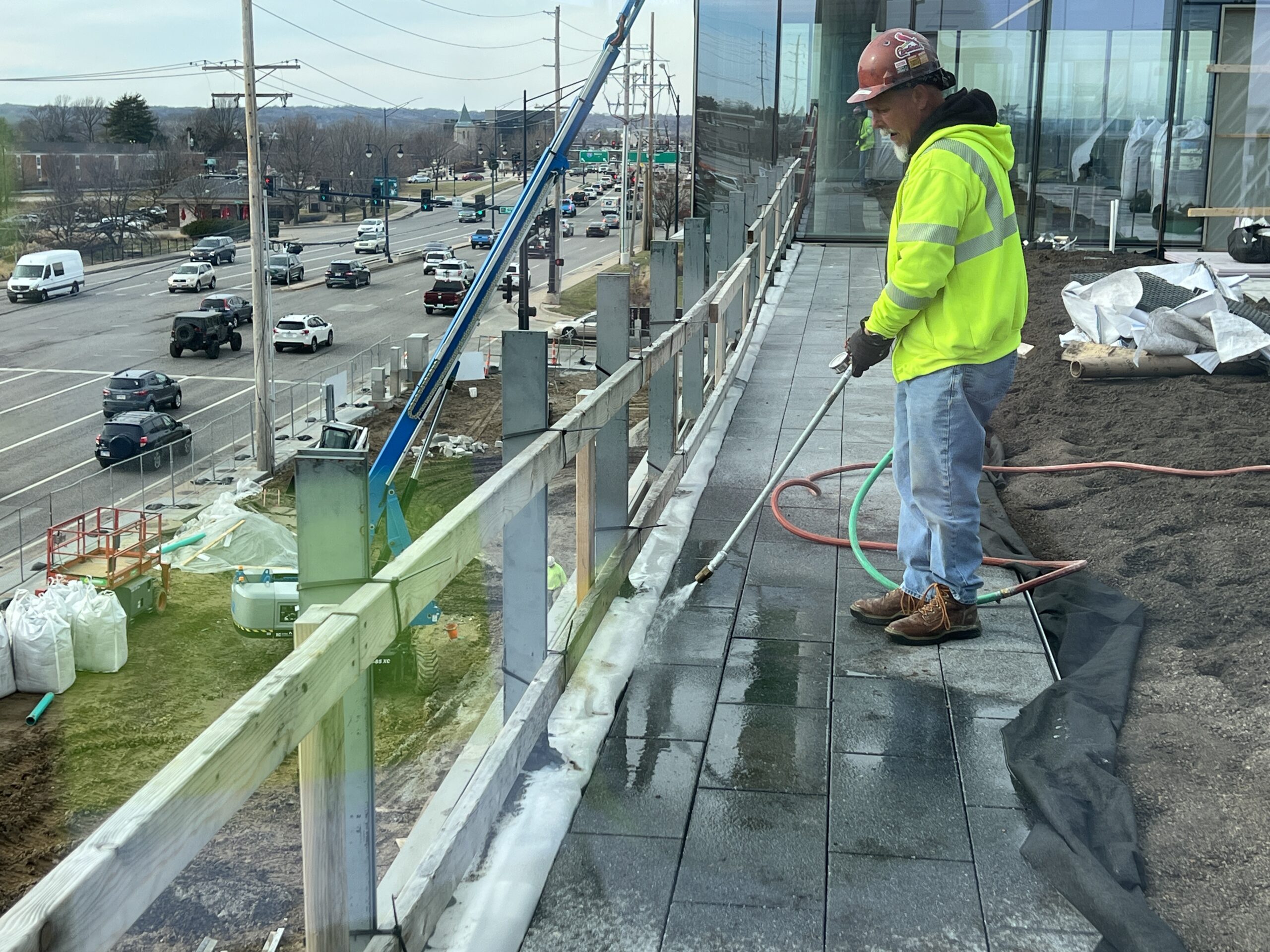
Building enclosure testing confirms that curtain walls, storefronts, windows, and roofs perform as designed and as required by the project specifications, resolving problems before they reach the field. G&W provides field and lab testing for air infiltration, water infiltration, structural integrity, and material performance across the full envelope, supporting compliance with the construction documents, quality assurance, and dispute resolution.
G&W performs enclosure testing across the full building envelope using standard ASTM and AAMA methods, including AAMA product certification testing. Indoor testing capabilities expanded with the acquisition of Mid America Testing Labs.
CORE CAPABILITIES
AAMA Certified field and laboratory testing
Air, water, and structural performance testing
Product certification and mock-up testing
Forensic testing for compliance and dispute resolution
Since 1982, Mid America Testing Labs has been a leader in enclosure testing services and is now a part of G&W Engineering.
Roofing systems engineered for durability and service life
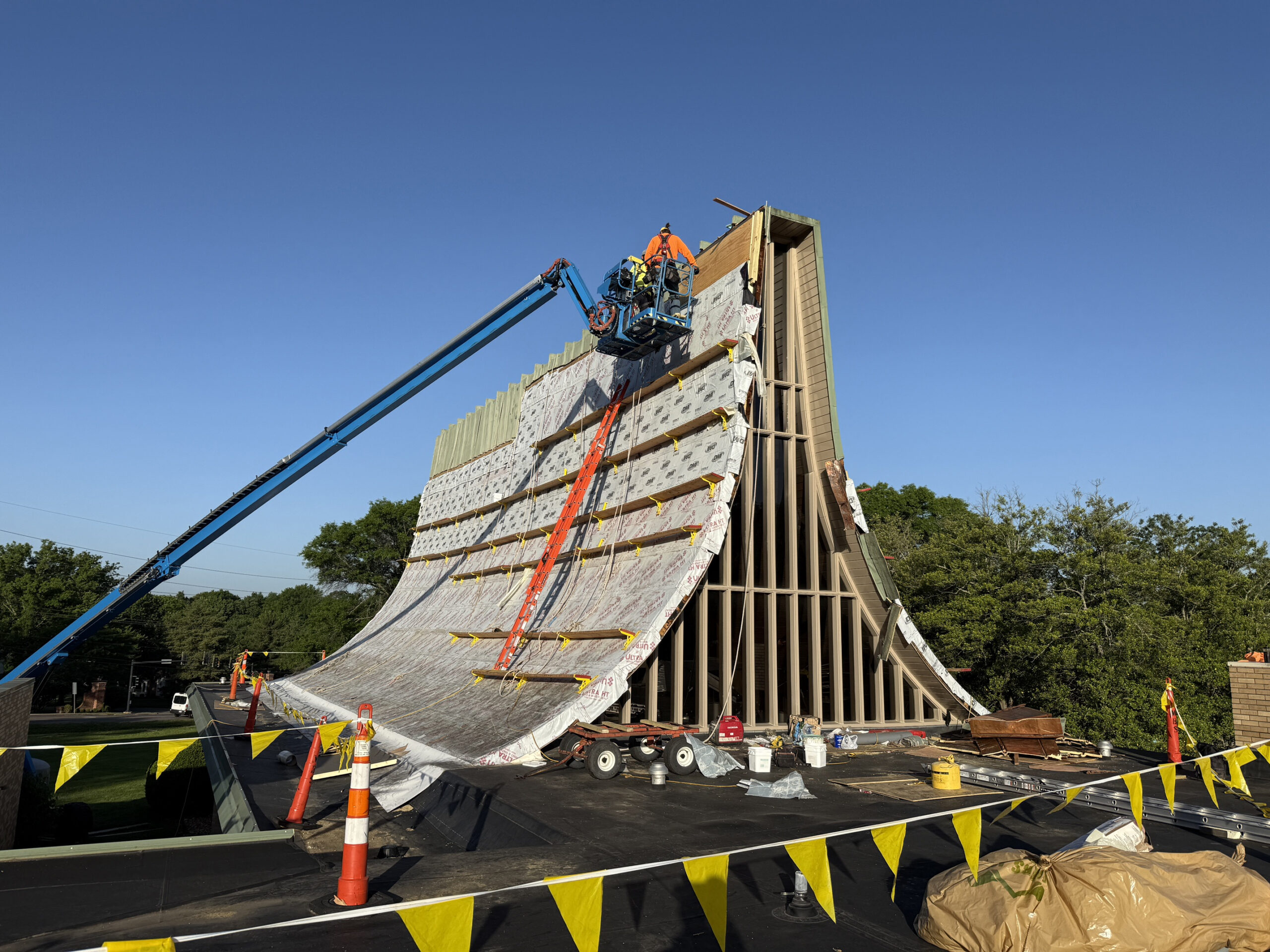
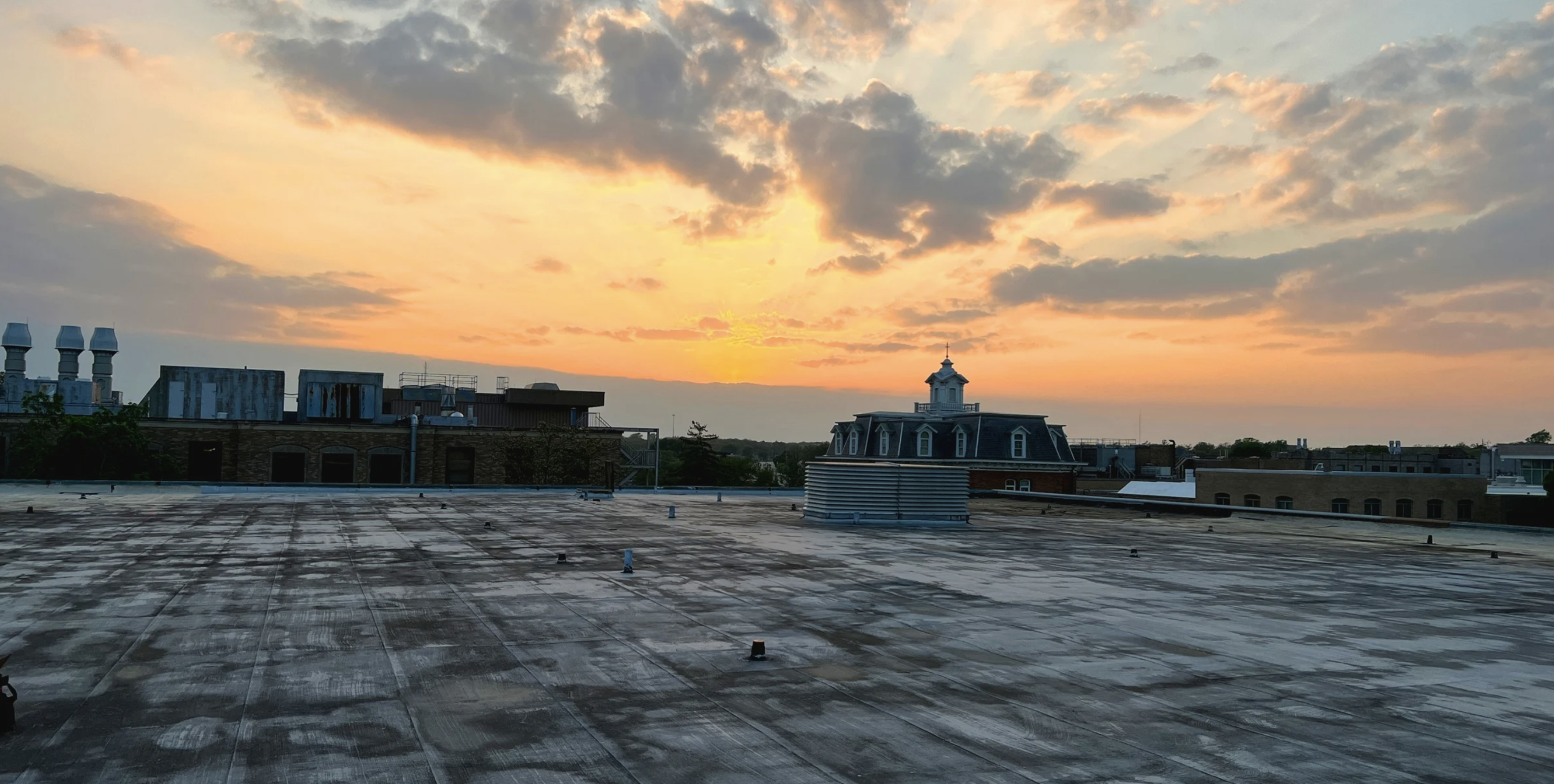
A roof is the most exposed and most expensive system on a building to get wrong. G&W provides roof consulting and design backed by Registered Roof Observer (RRO) credentialed staff and in-house structural engineering, so roof decisions account for the structure underneath them. We assess existing roofs, design replacements and new systems, and stay involved through installation to confirm the work matches the design.
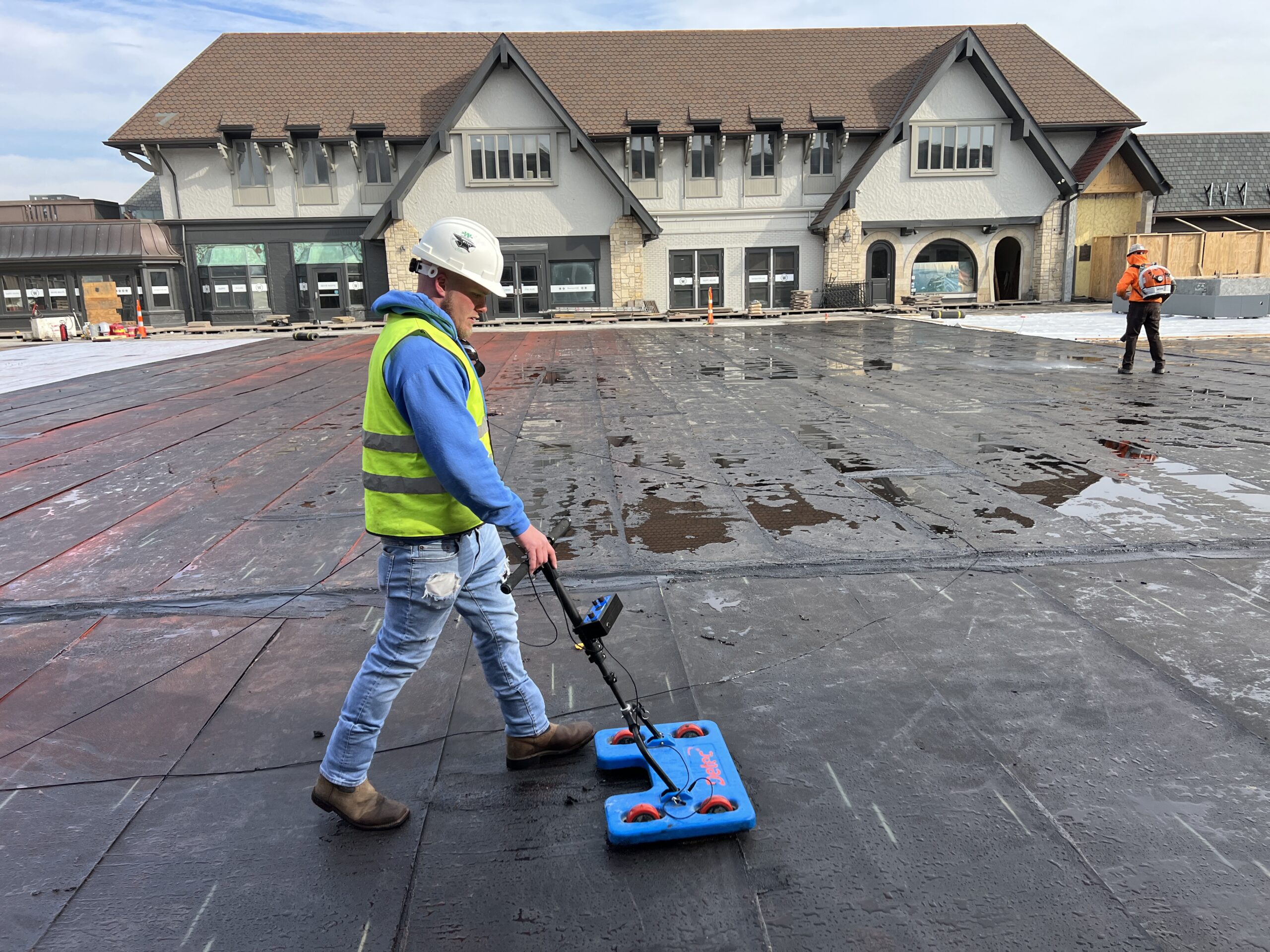
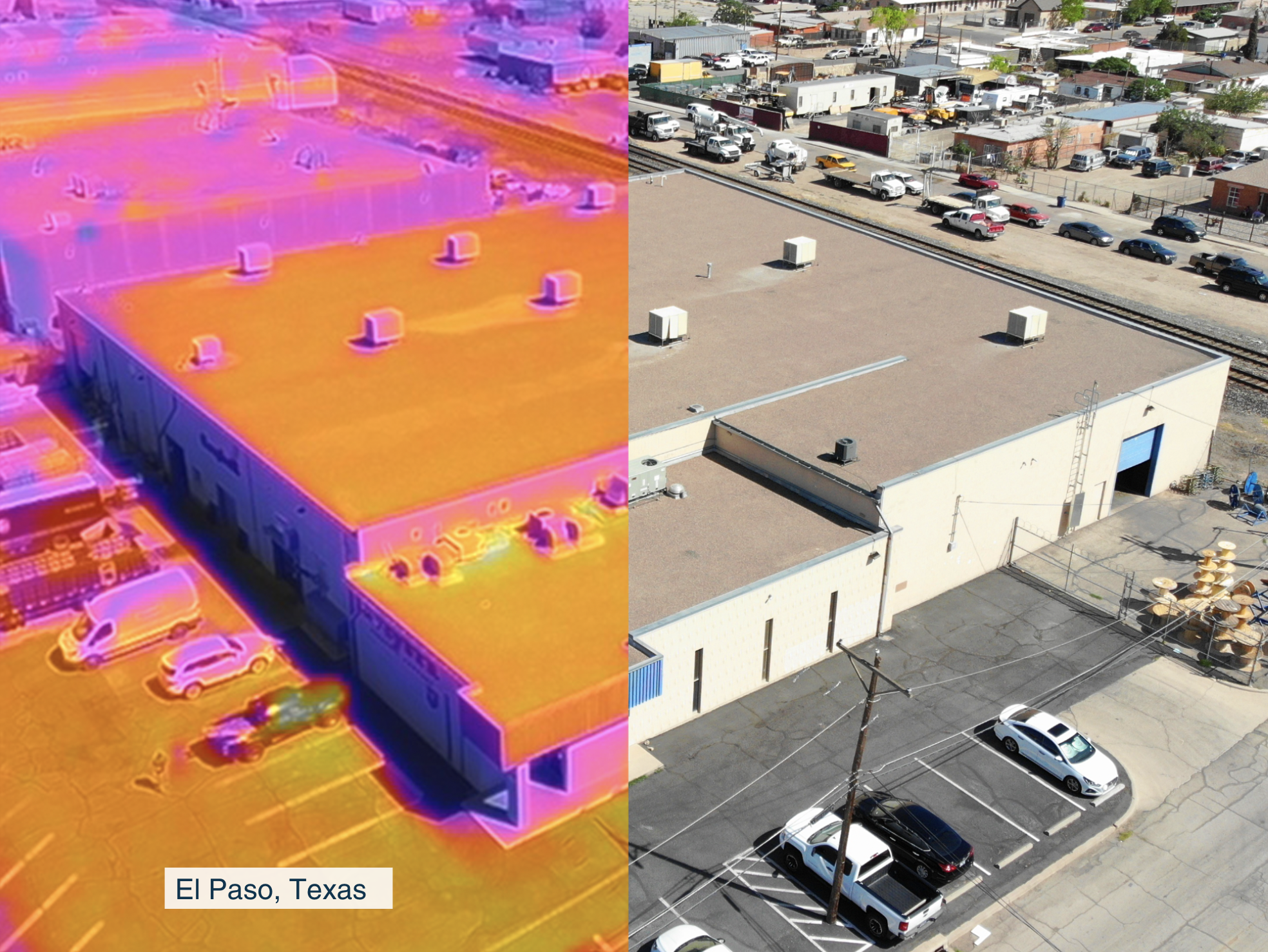
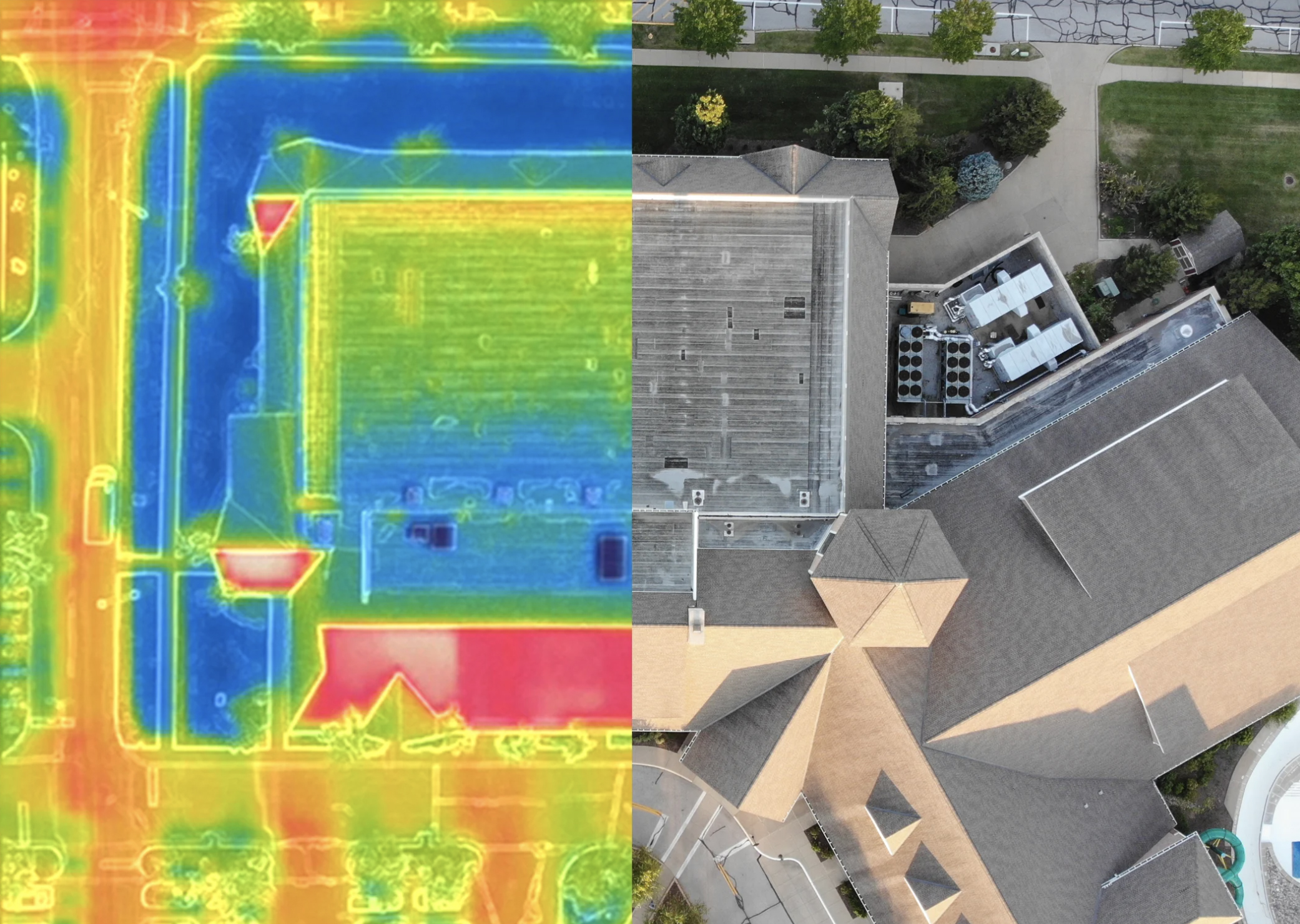
Our condition assessments combine infrared scanning and drone inspection to reach difficult areas safely and locate trapped moisture and hidden deficiencies that drive premature failure. The result is roofing that reaches its intended service life instead of failing early.
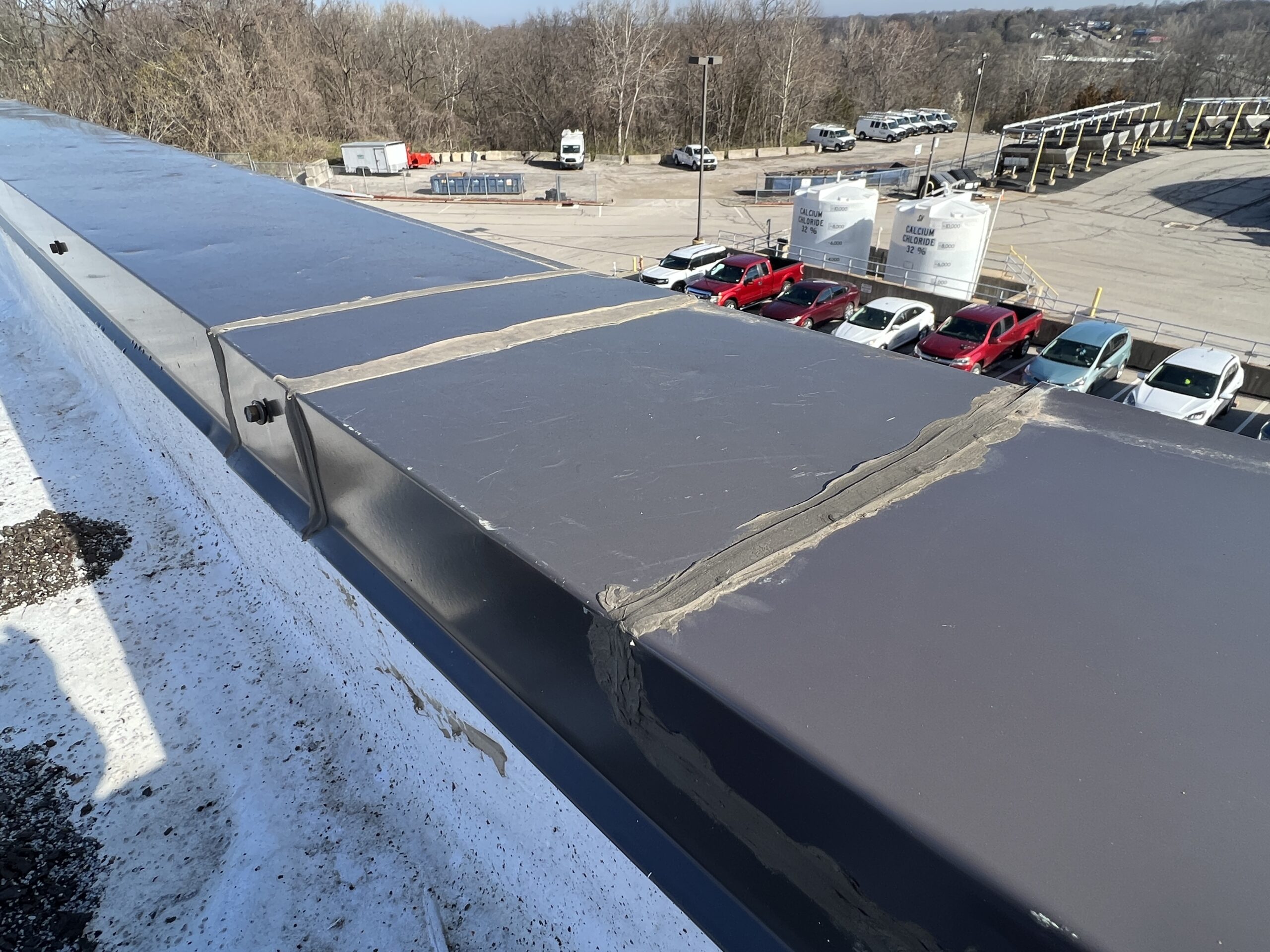
When a building leaks, or simply no longer performs, the visible symptom is rarely the source. G&W investigates water intrusion, air leakage, and envelope failures using a structured methodology built to hold up under scrutiny, including in litigation. We combine industry-standard testing protocols, infrared imaging, drone inspection, and targeted diagnostics to find the actual cause, not just the obvious one.
Each investigation ends with practical, defensible corrective recommendations. The goal is to restore enclosure integrity and reduce the risk of the problem returning.
Catching enclosure risk before it reaches the field
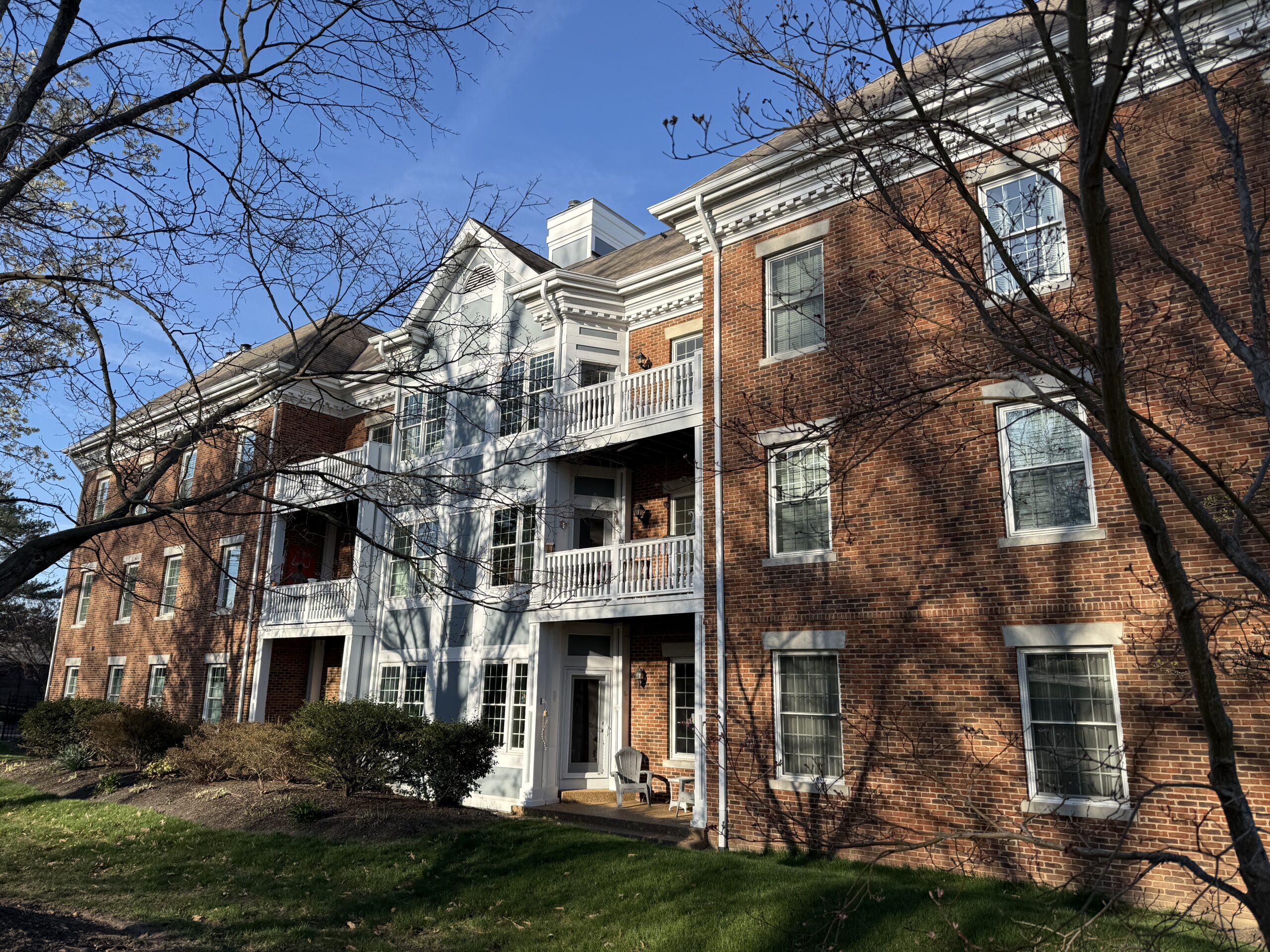
The cheapest place to fix an enclosure problem is on paper. G&W reviews drawings, specifications, and submittals before construction, focusing on the transitions and junctions where air, moisture, and thermal performance most often break down. We flag vulnerable details early, while a change still costs a redline instead of a callback.
This review strengthens coordination between trades and adds a layer of quality assurance that carries through construction.
CORE CAPABILITIES
Early enclosure risk identification
Air, moisture, and thermal transition analysis
Enclosure continuity gap identification
Submittal review against the construction documents
G&W ‘s timely responsiveness and ability to work with and adapt based on site conditions and/or GC needs has exceeded our expectations. They are prompt & professional in all aspects of the job.